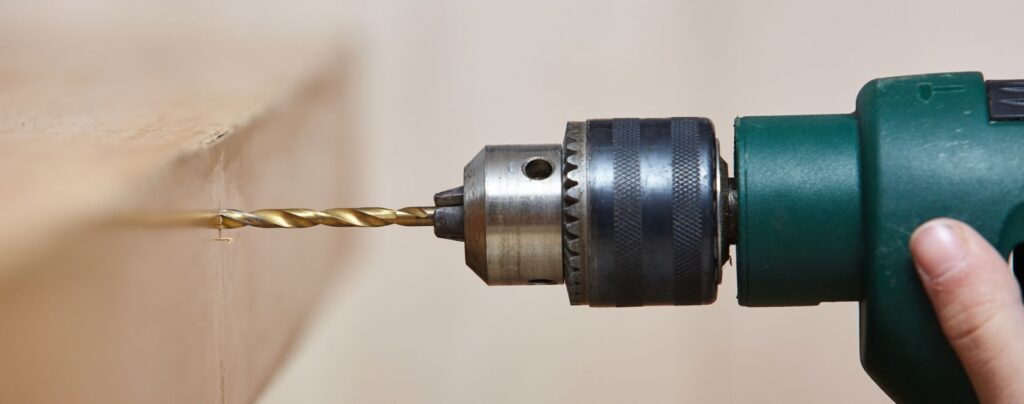
Wondering why you’re burning through drill bits too fast? Keep on switching brands, trying more expensive options but getting the same results? You’re not alone.
This is a very common problem. While poor quality drills is definitely a large factor these days, there could be other issues at play. Speed is often the big factor, get it right and you will save yourself a lot of time and money!
Trouble shoot questions:
- Most importantly, are you using the right drill bit for the right task? When it comes to drilling steel it is important to identify the steel you’re drilling. If it’s regular mild steel, HSS drills will work best, if it’s stainless steel, hardened steel, broken bolts etc. you may need to consider going cobalt or even carbide in some cases.
- Are you using bad quality drills?
- Are you using a metal cutting compound? (For steels: See Venom)
- Finally, a lot of people ignore this point however it’s very critical: are you drilling at the recommended speed for the material you are drilling?
The first 3 points are pretty basic, most people understand how to select the correct drill. However, our team is always on call and ready to help if you’re unsure!
Bad quality drills – you work that out pretty quick also, metal cutting compound – manufacturers always recommend this as it does seriously work. However, some people believe they don’t need it and still get reasonable drill, simply because they know what they’re doing.
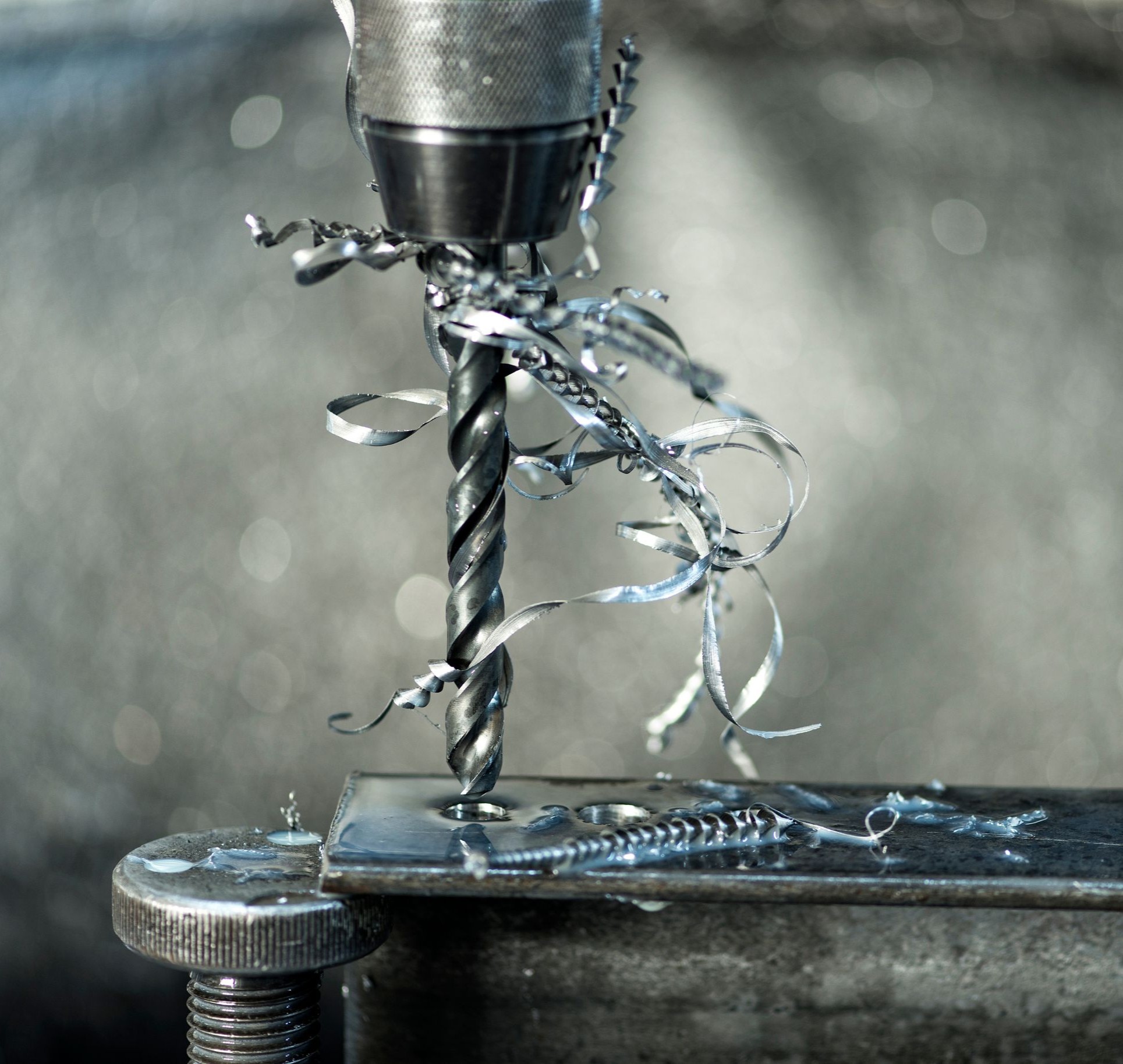
Point 4 is what we really want to focus on: are you drilling the recommended drill speed?
Most people never bother to read the drill speed specs on the packaging & some packaging these days doesn’t even say what speed to drill. This is however critically important, if you are burning through drills at an unacceptable rate, please don’t shrug this off!
Some quick steel basics:
• When drilling stainless steel or thick, hardened steel – you should drill at low speed applying constant pressure & using a reputable cutting lube
• For basic mild steel – you can up the speed a little, however, don’t go full noise!
• For soft metals – you’re free to go high speed but back-off putting too much pressure!
Tiles basics:
Hard porcelain tiles are a bit of an enigma. The drill speed is all-critical however every drill bit option is starkly different in terms of the correct speed for the particular type. This one is really opposite to what most people think:
• If you are using tungsten tile drills, e.g. Glass & Tile Spear Point Bits or Alpen Multi-Cut drills, you must go as slow as possible using steady pressure
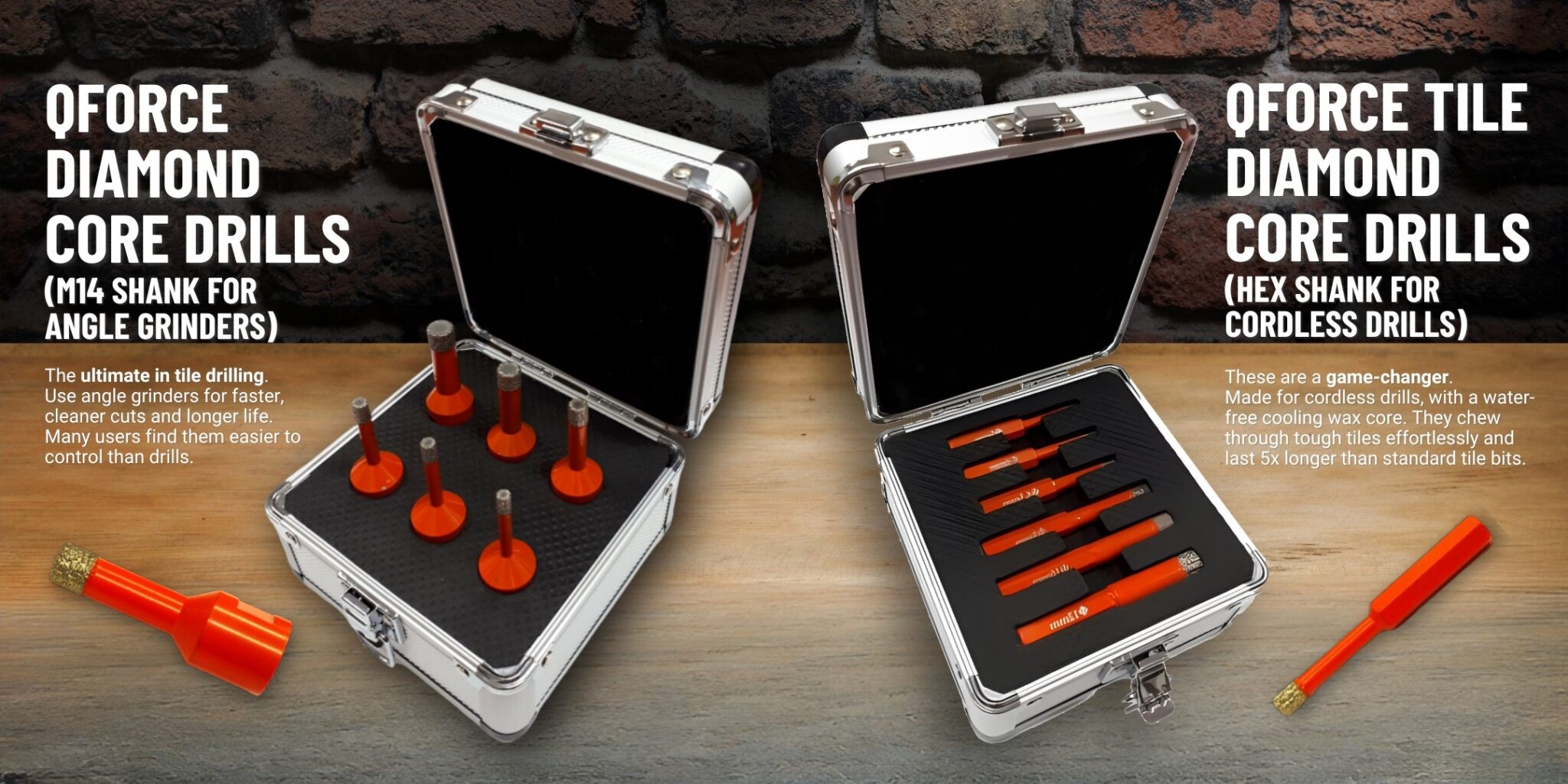
• If you are using diamond drills on the other hand, (e.g. our Qforce Diamond Drills) you should be using the highest speed setting on your drill & not using pressure (very light pressure), let the drill do the work. Water certainly also helps in tiles
Tiles basics:
Hard porcelain tiles are a bit of an enigma. The drill speed is all-critical however every drill bit option is starkly different in terms of the correct speed for the particular type. This one is really opposite to what most people think:
• If you are using tungsten tile drills, e.g. Glass & Tile Spear Point Bits or Alpen Multi-Cut drills, you must go as slow as possible using steady pressure
• If you are using diamond drills on the other hand, (e.g. our Qforce Diamond Drills) you should be using the highest speed setting on your drill & not using pressure (very light pressure), let the drill do the work. Water certainly also helps in tiles
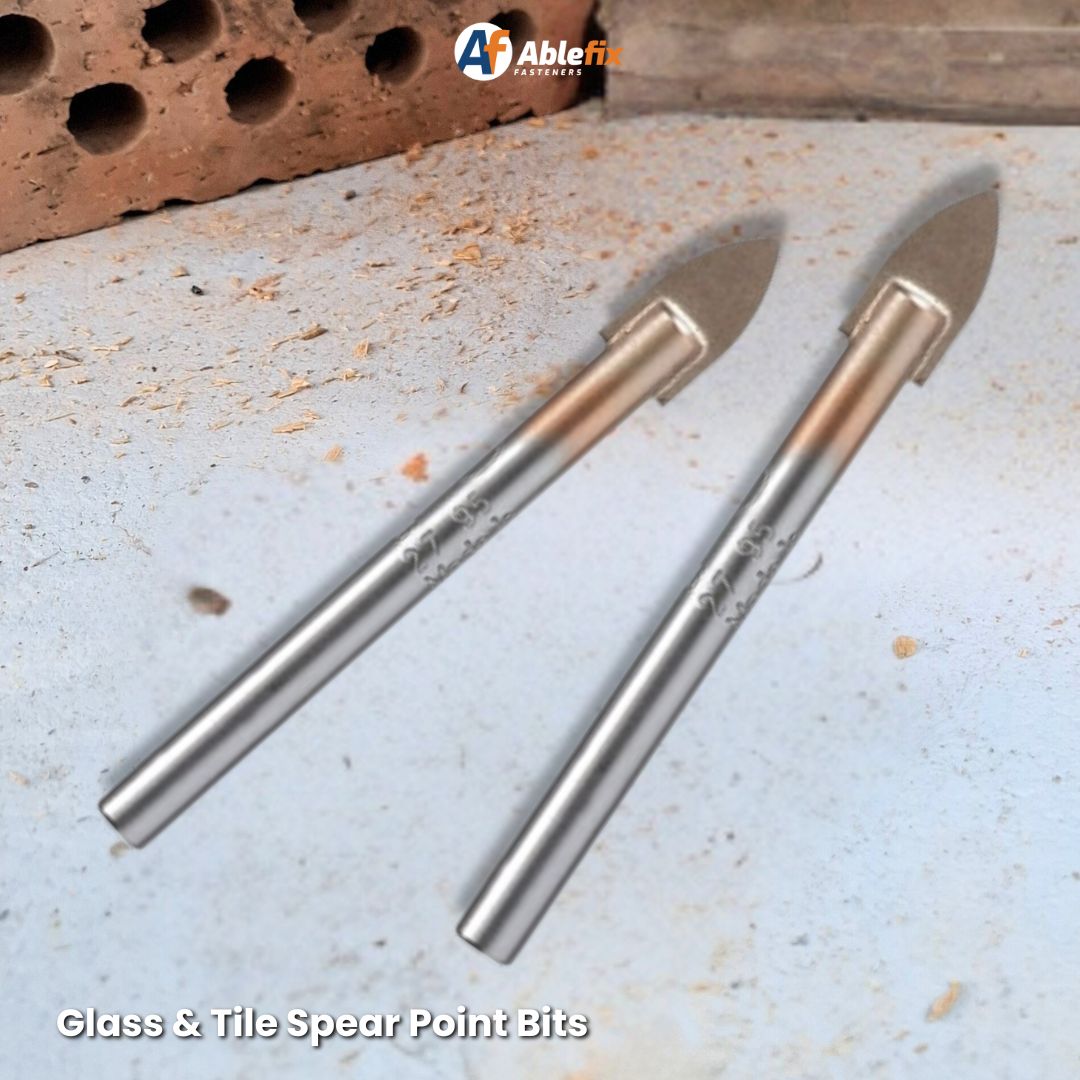
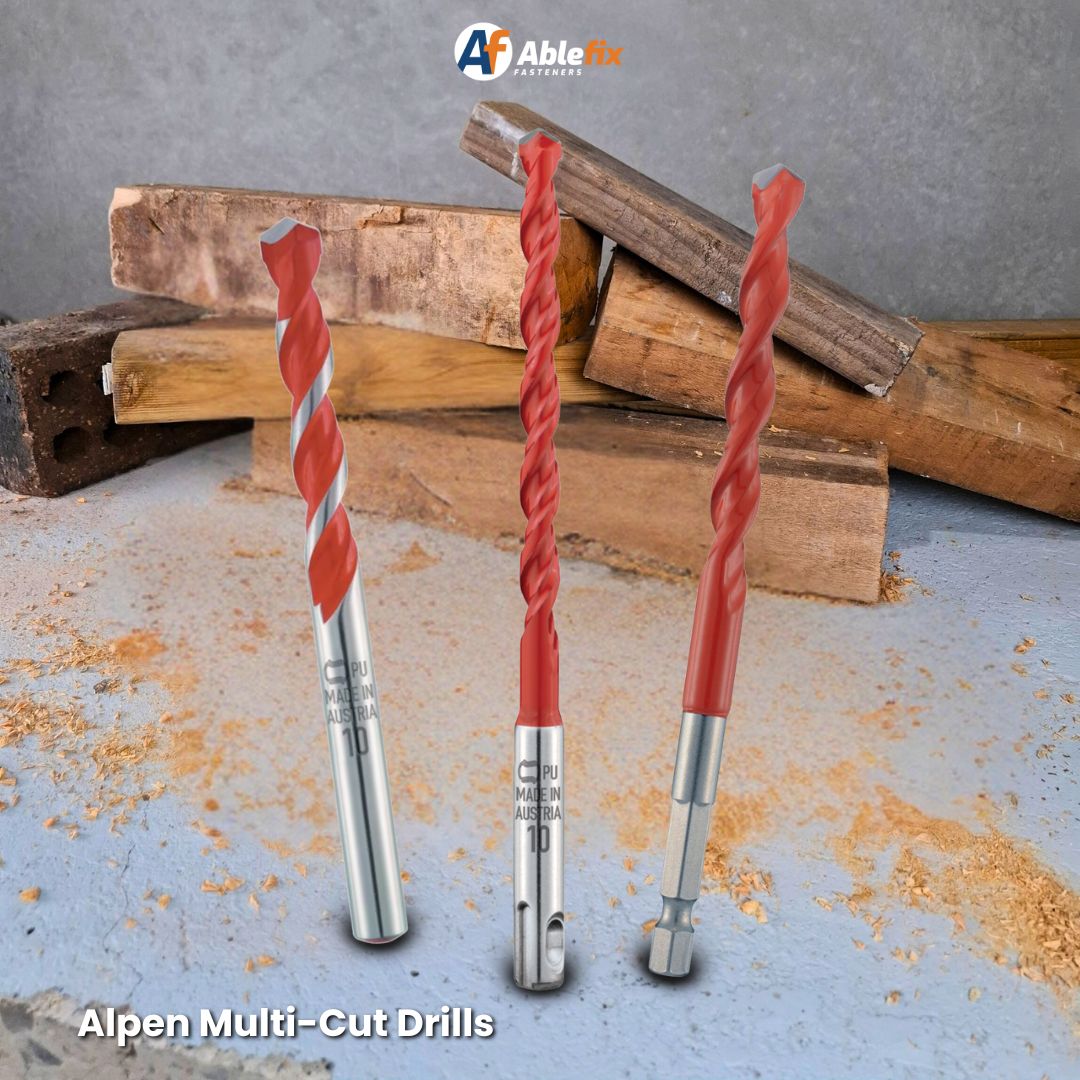
• If you are using tungsten tile drills, e.g. Glass & Tile Spear Point Bits or Alpen Multi-Cut drills, you must go as slow as possible using steady pressure
• If you are using diamond drills on the other hand (e.g. our Qforce Diamond Drills) you should be using the highest speed setting on your drill & not using pressure (very light pressure), let the drill do the work. Water certainly also helps in tiles.
Tiles can be a pain to drill. However, if you follow the above guide you’ll will know immediately if it’s just a junk brand as good drills when you follow the rules should work almost every time.
We don’t have the time or space in one blog to tell you all the different drill speeds for the different materials. However, please phone our team if you aren’t sure at any time before you start drilling and we’ll do the looking up for you!