




HOLIDAY CLOSURE: Orders placed after midday on Thursday the 19th will be shipped on Wednesday the 8th of January 2025.

huge range
1000+ different products
Anchoring into brick presents a number of challenges. Whether you’re a seasoned tradie or a DIY enthusiast, avoiding these common pitfalls can save you time, money, and a whole lot of frustration.
Here are the top 5 mistakes people make when anchoring into brick—and how to avoid them.
1. Using the Wrong Type of Anchor
Never use Sleeve Anchors, Through-bolts or other concrete only rated anchors in brick. Standard metal expansion anchors will never pull up sufficiently in hollow brick & cause too much expansion stress in solid brick increasing the risk of cracking the brick.
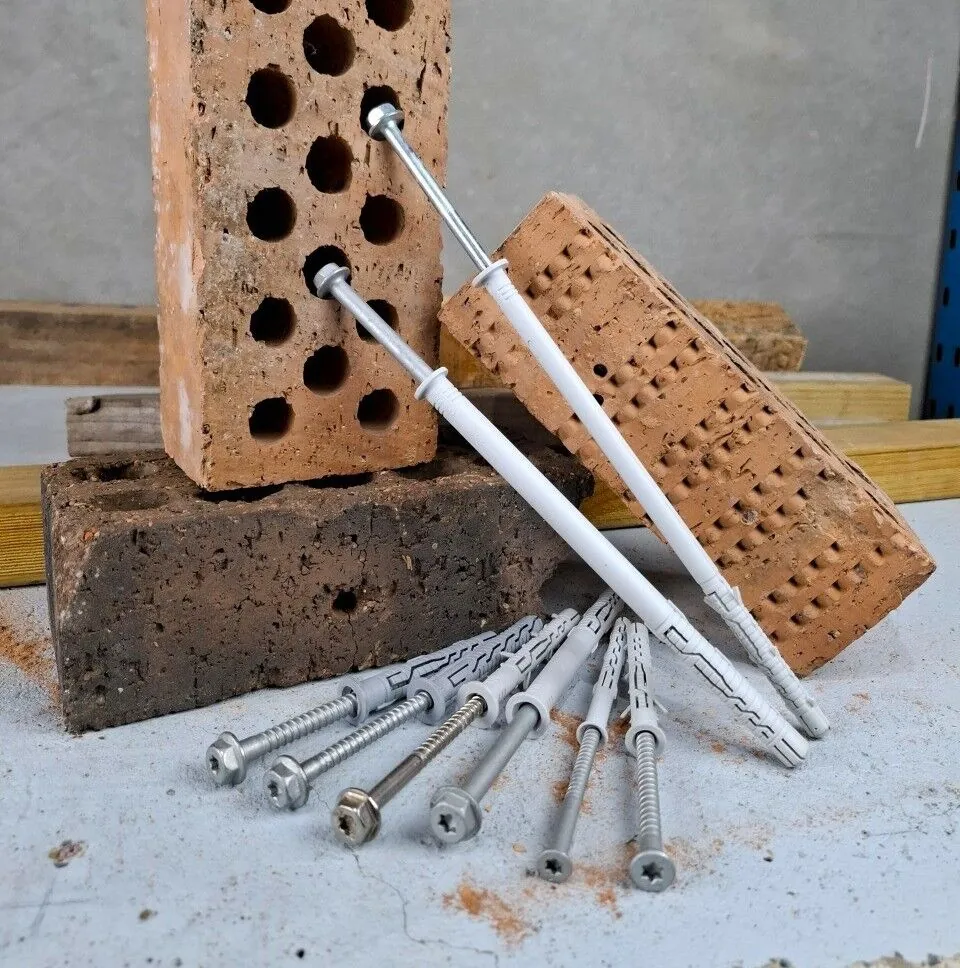
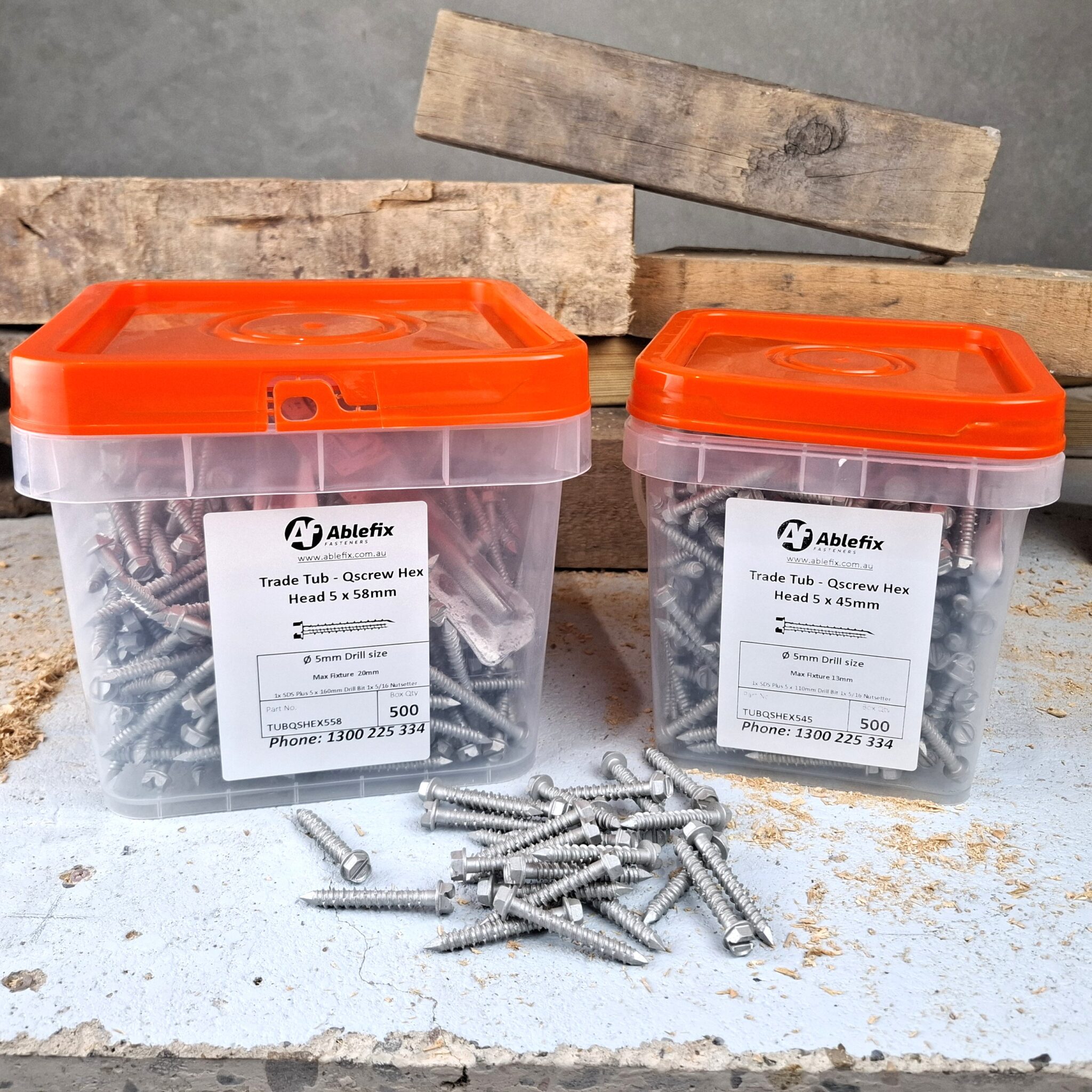
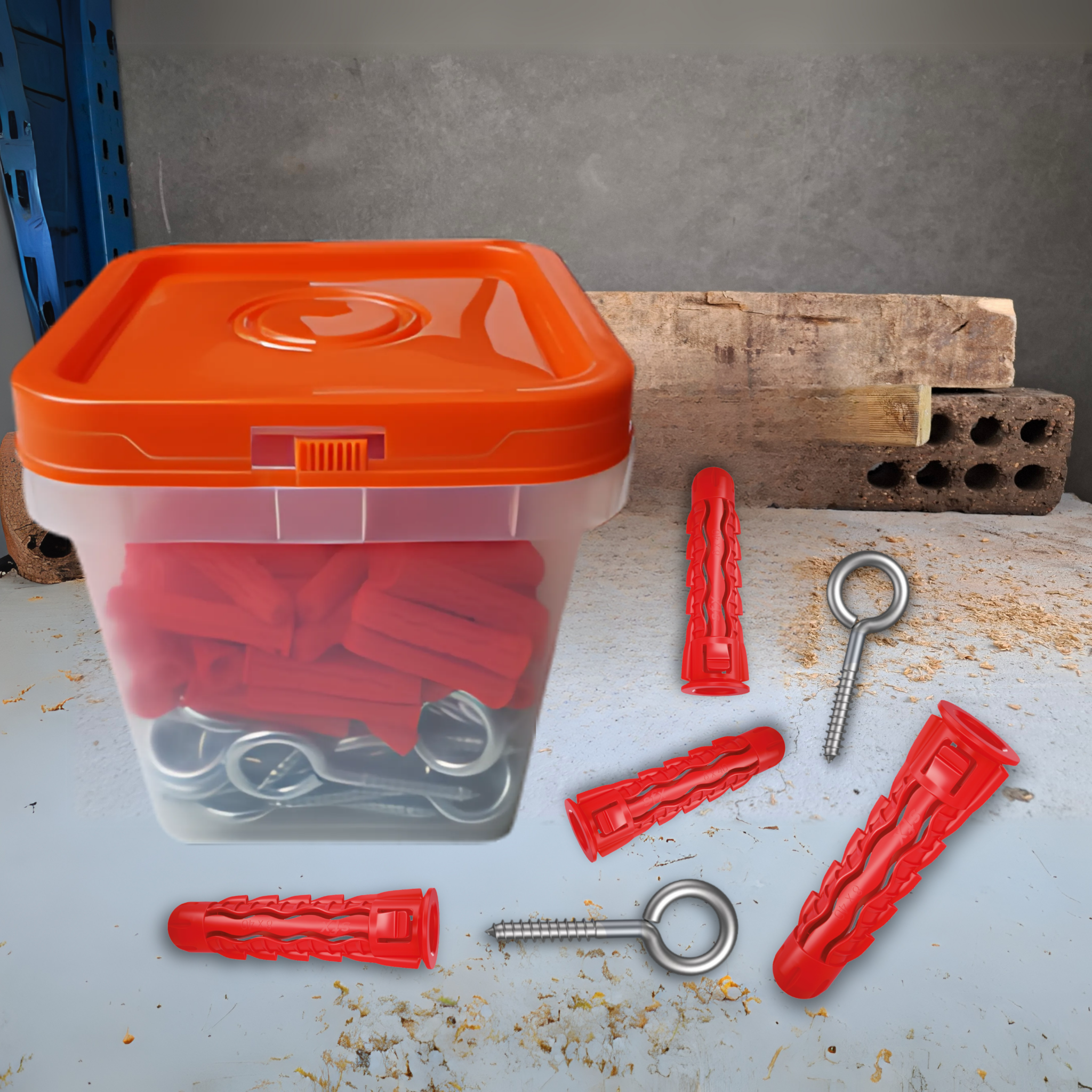
Pro tip: Always check the anchors you’re using have load ratings for brick before you use them. Anchors like our Framegripz, Qscrews, Qfix Nylon Plugs are ideal for brick. If you need assistance, give our sales team a call—we’re here to help.
2. Anchoring into Mortar Instead of Brick
A lot of people anchor into the mortar rather than the brick because they are worried the bricks might be hollow—however mortar is significantly weaker than the brick itself. Anchoring into mortar can lead to unreliable fixings and potential structural issues. Anchors like Framegripz work just as well in hollow brick as they do in solid, so with the correct anchors hollow bricks shouldn’t be feared.
Want proof? Check out our blog post: CASE STUDY: Should you fix into the brick or the mortar?
3. Using Worn-Out Drill Bits
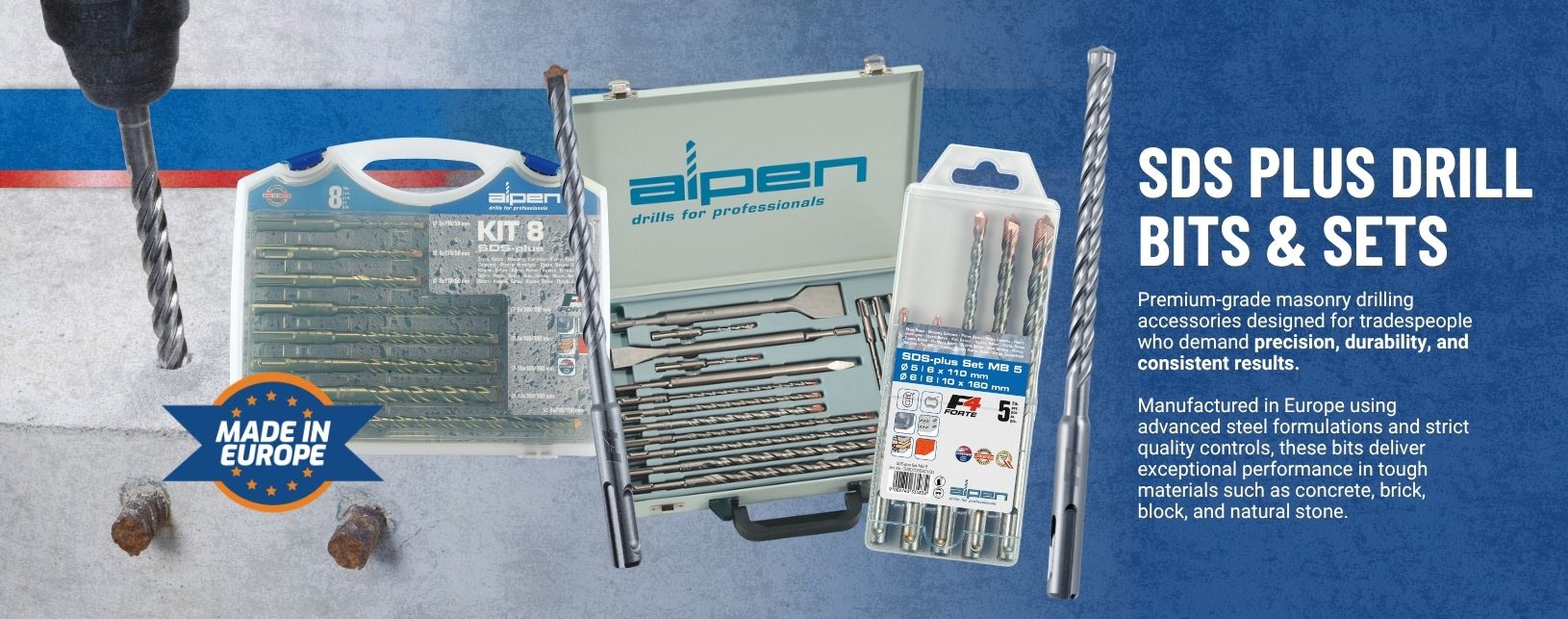
Your drill bit may be still drilling fine after more than 100 holes but be warned, it’s probably no longer drilling the correct hole size. This can make the hole too tight, increasing the risk of cracking the brick when forcing the anchor in.
Rule of thumb: SDS bits are good for about 100 holes. After that, it’s time to replace them.
4. Over-Tightening the Anchor
Bricks are hard—but also brittle. Over-tightening an anchor can cause the brick to crack or even blow out, especially if it’s hollow. Always follow the manufacturer’s torque settings to avoid damaging the substrate.
5. Not Cleaning Out the Hole
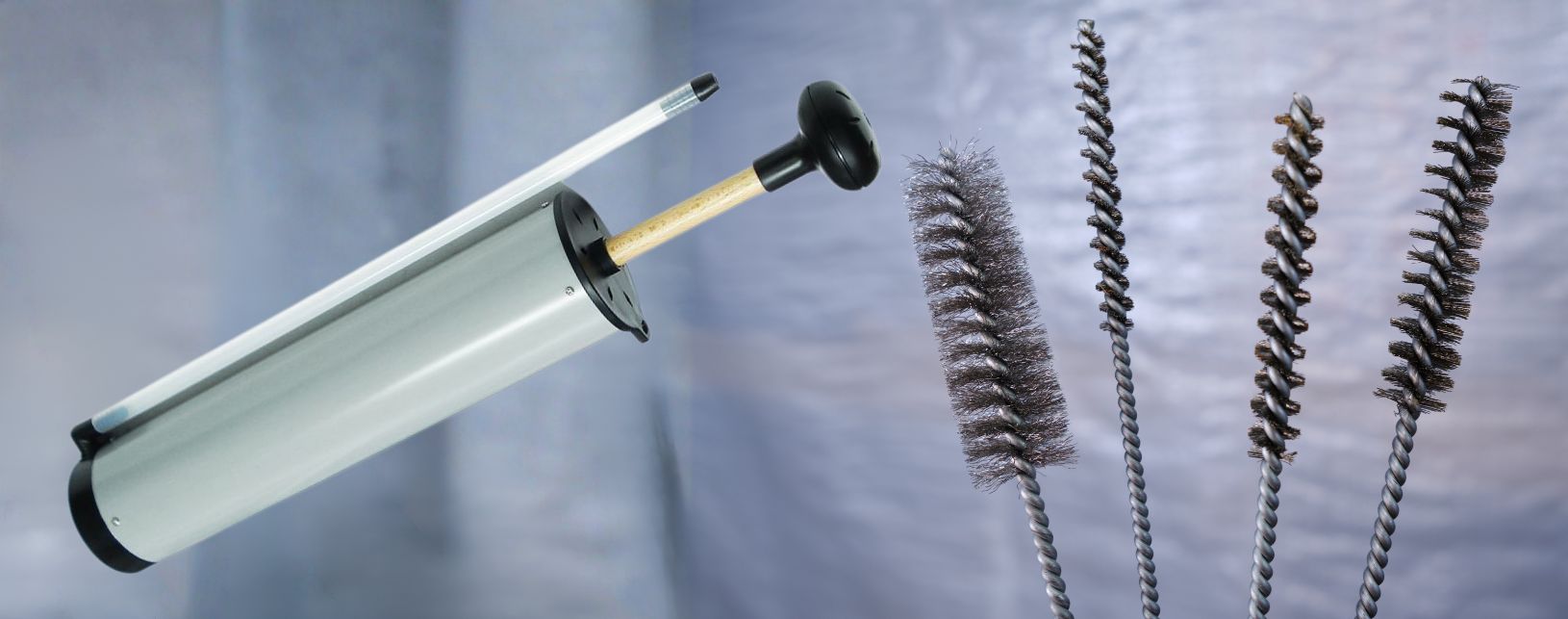
Often overlooked, you must clean out the hole after drilling. Failure to clean the hole can mean the anchor struggles to get a decent bite as it’s trying the hold onto the dust not the solid masonry itself. You may find sometimes if you don’t clean out the holes the anchor is prevented from inserting completely into the wall by the dust built up from drilling the hole.
Quick fix: Always clean the hole thoroughly after drilling. A simple blow-out pump or hole cleaning wire brush can make all the difference.
Our Recommendations at a Glance
✅ Use brick-rated anchors
✅ Avoid anchoring into mortar
✅ Replace SDS bits after 100 holes
✅ Follow torque specs
✅ Clean out every hole before anchoring
Final Thoughts
Anchoring into brick is easy & safe with the correct anchors & correct installation process. By avoiding these five common mistakes, you’ll ensure a safer, more secure installation every time.
Have questions or your own anchoring horror story to share? We’d love to hear from you! Your feedback helps us improve and innovate better solutions for the future.
huge range
1000+ different products

Join our mailing list to stay up to date with all the latest specials and news.