






HOLIDAY CLOSURE: Orders placed after midday on Thursday the 19th will be shipped on Wednesday the 8th of January 2025.

huge range
1000+ different products
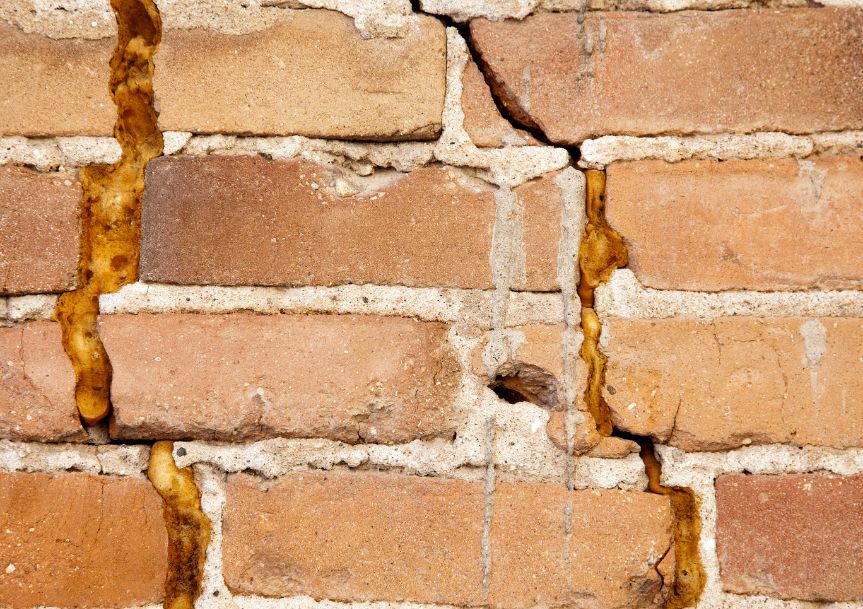
Bolting into brick? If you’ve ever tried, you know it’s not as straightforward as working with solid concrete. In fact, many heavy-duty anchors that perform brilliantly in concrete can fail miserably in brick. Why? Because brick is a different beast altogether—often brittle, sometimes hollow, and prone to cracking under stress.
Let’s break down the best practices and products for anchoring into brick—and why choosing the right bolt can make or break your project.
When it comes to concrete, you’ve got a solid lineup of high-performance anchors:
Sleeve Anchors: A decent all-rounder, but not the strongest. Over-torquing can cause spinning or failure.
Through Bolts: A big step up. These offer better expansion and torque strength. You can tighten them hard without worrying about failure.
Screwbolts: The crowd favorite. Fast to install, no expansion stress, fully removable, and ideal if you need to anchor close to the edge of a slab. They grip along the entire thread length, making them incredibly reliable.
Chemical Anchors: The ultimate choice for concrete. No expansion stress and extremely high load capacity. Perfect for critical applications.
Brick presents unique challenges:
• It’s often brittle or hollow.
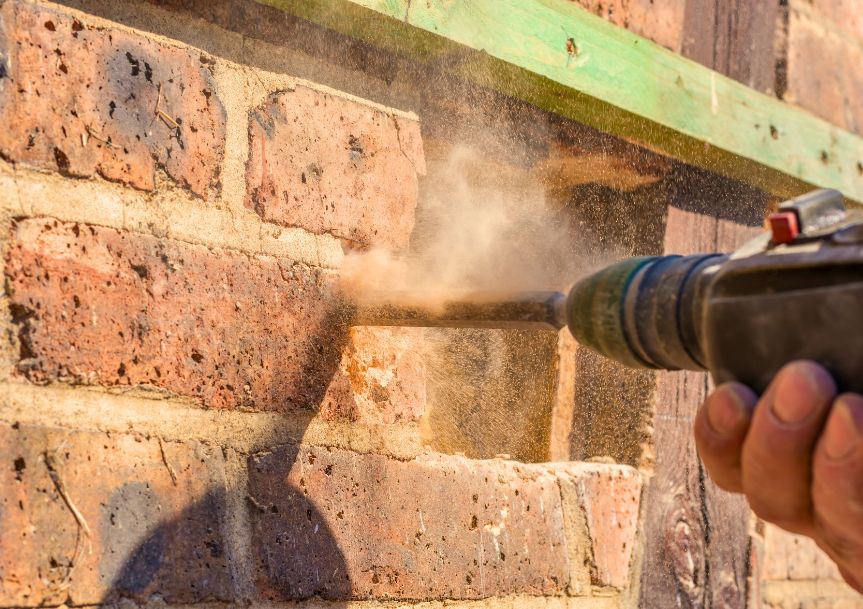
• SDS hammer drills can blow out holes.
• Metal expansion anchors can crack the brick or fail to grip if they expand into a hollow section.
So what works in brick?
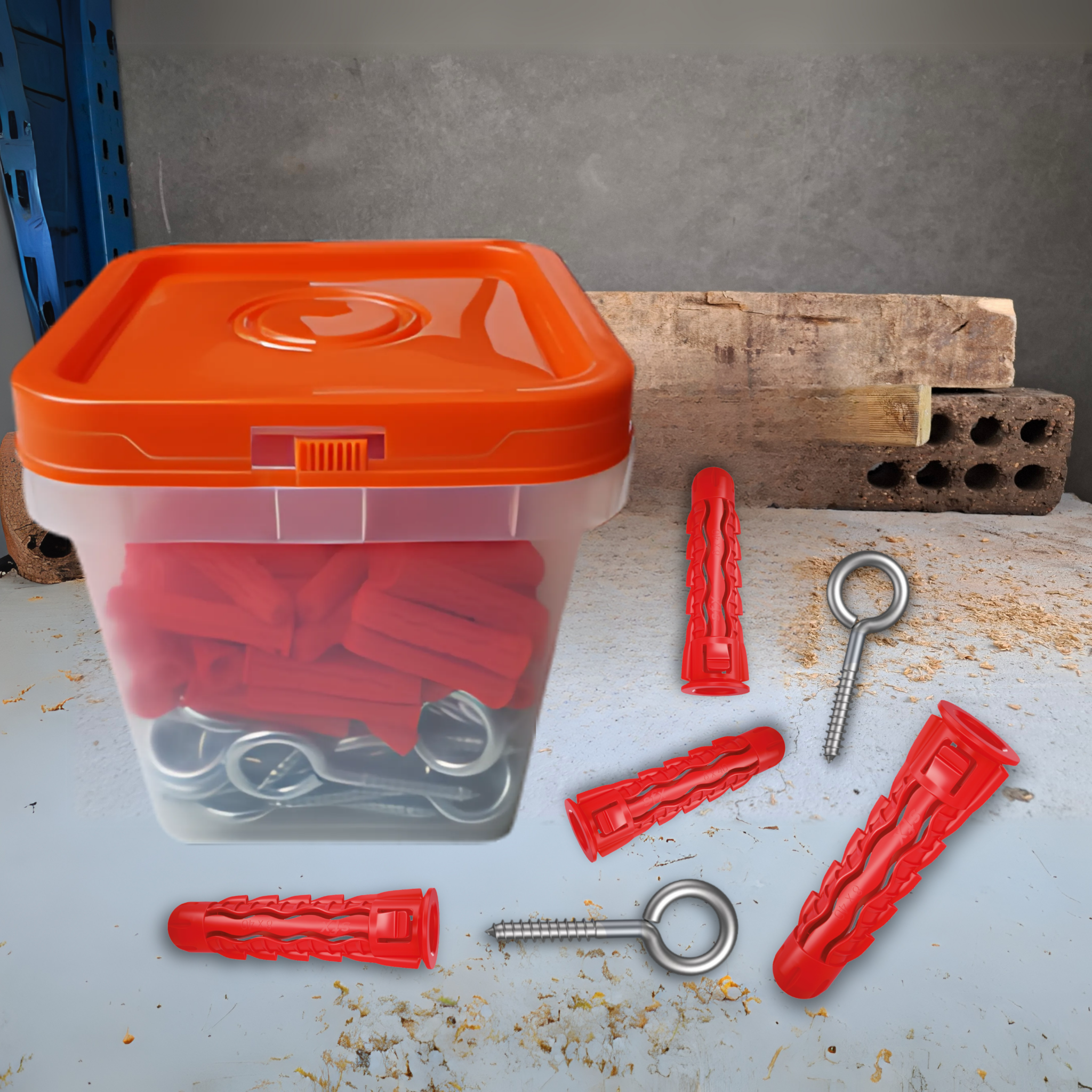
The gold standard for brick fixings. Here’s why:
• Works in hollow or solid brick, block, and concrete.
• Nylon sleeve absorbs expansion stress, protecting the brick.
• Forms a twist knot inside the hole for a secure hold.
• Available in a wide range of lengths and up to 12mm diameter.
A versatile option:
• Use your own screws.
• Suitable for brick, concrete, tiles, fibre-cement, and even plasterboard.
• Same stress-reducing nylon design as Framegripz.
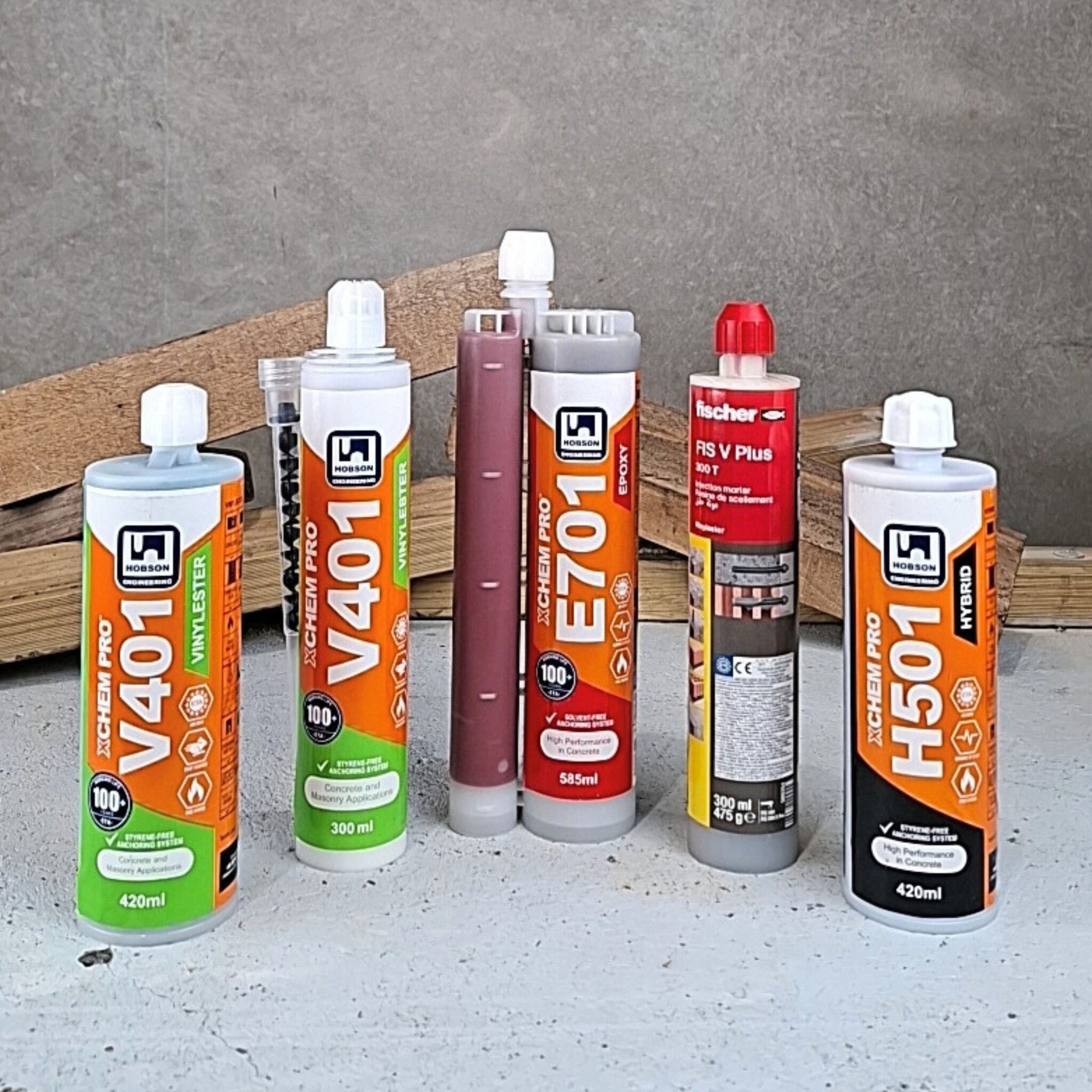
For load-critical applications:
•No expansion stress—perfect for fragile brick.
• Must use plastic sleeves to prevent chemical loss into cavities.
• High strength, but messy and time-consuming compared to Framegripz.
When it comes to brick, Framegripz stand out as the most reliable and user-friendly solution. Whether you’re working with hollow brick, solid block, or anything in between, choosing the right anchor is crucial for safety and performance.
huge range
1000+ different products
Join our mailing list to stay up to date with all the latest specials and news.