



HOLIDAY CLOSURE: Orders placed after midday on Thursday the 19th will be shipped on Wednesday the 8th of January 2025.

huge range
1000+ different products
This topic often sparks debate, but there’s a straightforward answer. Here’s what our customers have learned through experience:
Fixing to Mortar vs. Brick
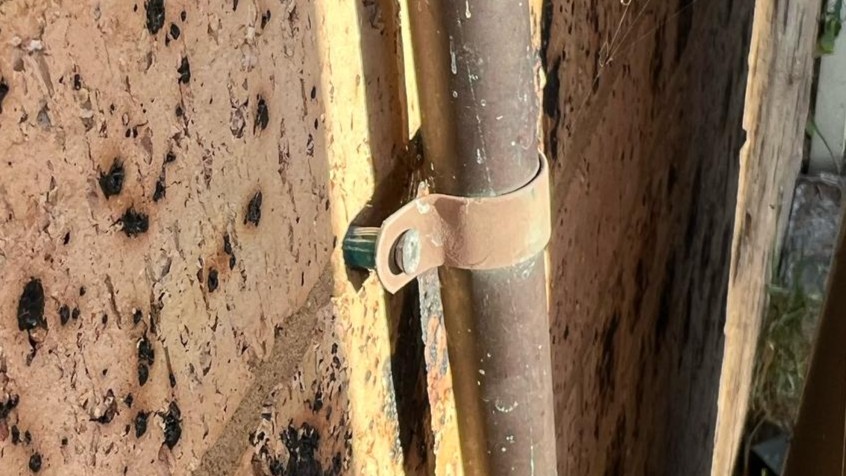
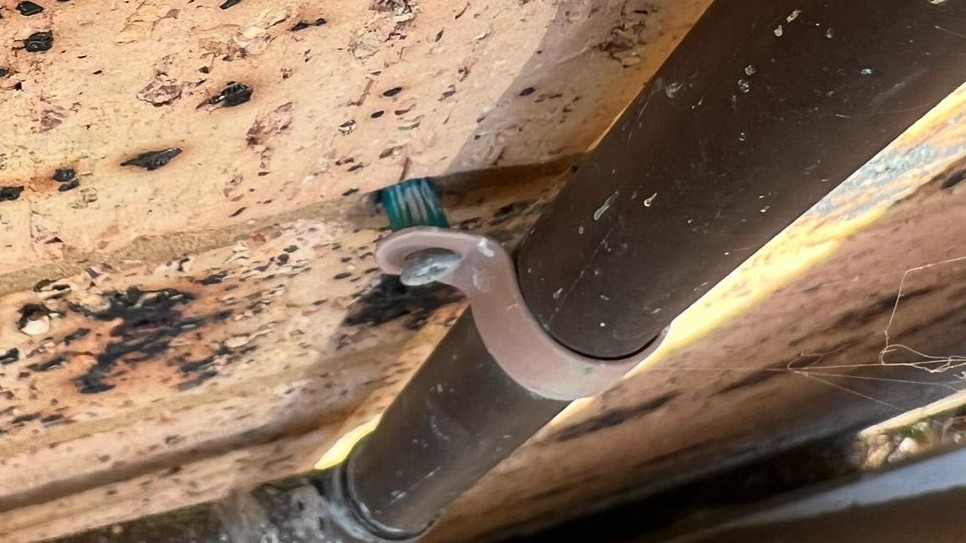
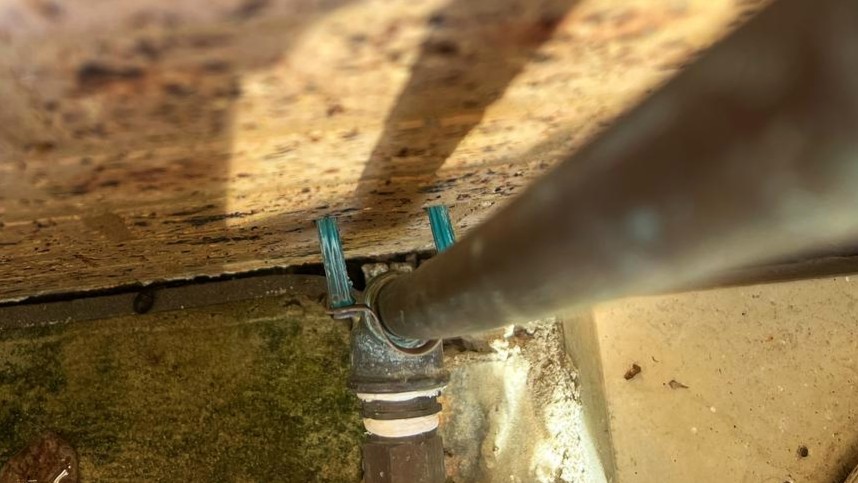
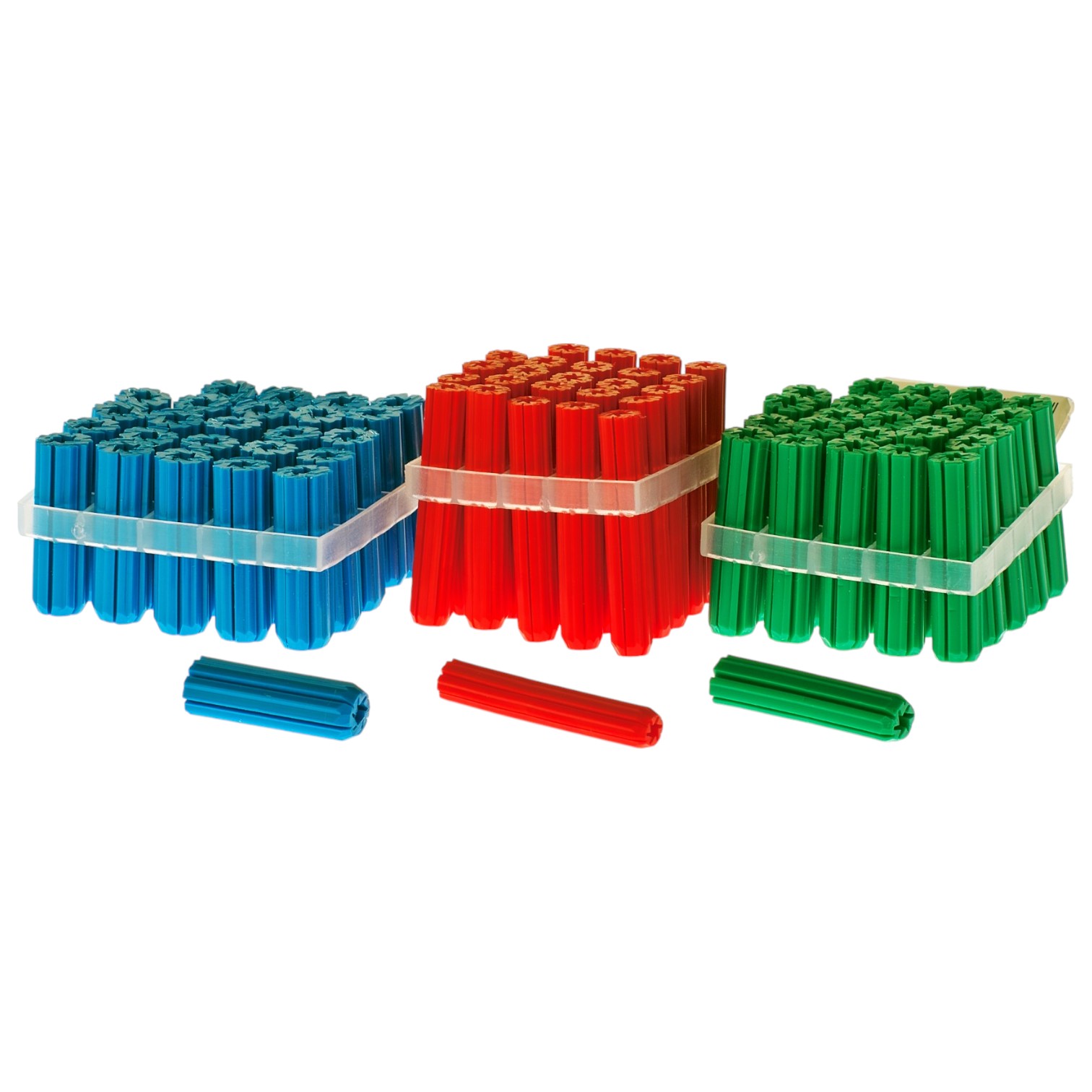
In the example above, downpipe brackets are fixed into the mortar with a green plug and screw. This shows a common problem. We’ve all seen things like lights pulling out from walls or gate posts hanging off. More concerning are cases where heavy items like air conditioning units are only held by plugs or sleeve anchors in the mortar, which can be dangerous.
Fixing to mortar might seem logical because bricks can be unpredictable—potentially hollow or prone to cracking when drilled. However, mortar is not concrete. It’s the weakest part of a brick wall and was never meant to be drilled into. Over time, mortar wears away and crumbles, resulting in the anchors giving way and failing.
Common Anchor Issues:
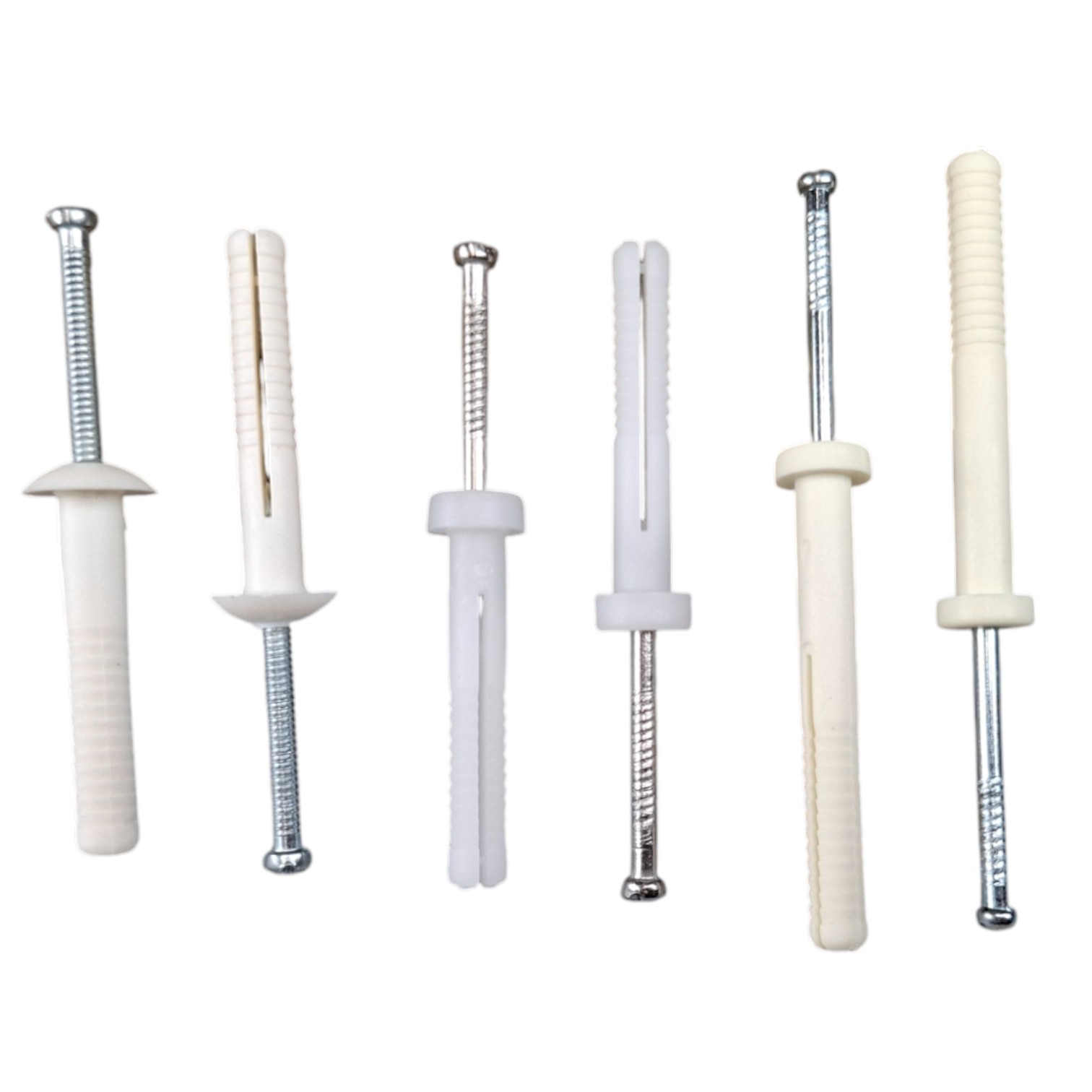
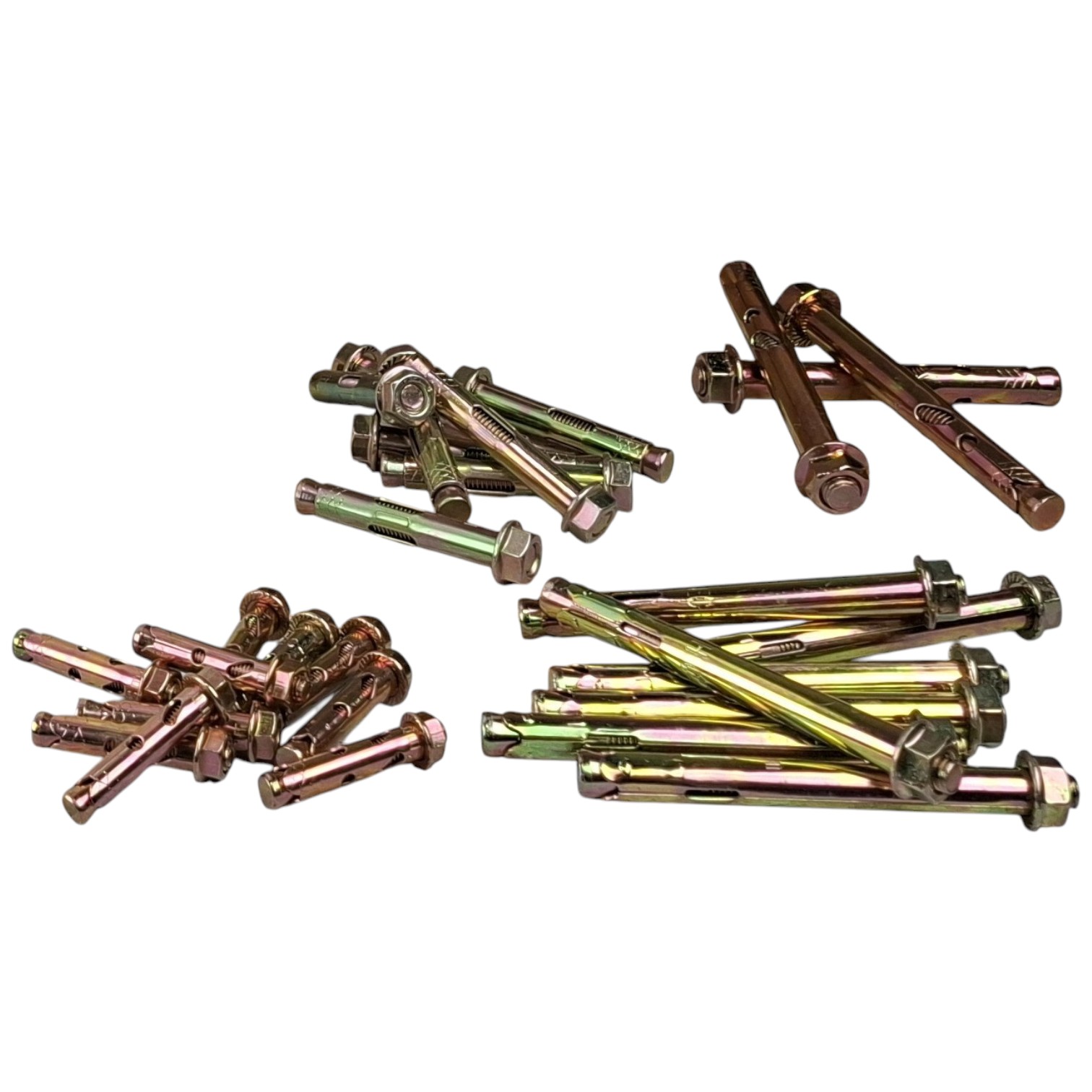
Green Plugs & Screws, Sleeve Anchors, Nylon Nail-In Anchors: All of these anchors were designed for solid concrete, not brick.
• PVC Plugs: Expand and crack crumbly materials like mortar, leaving little to grip.
• Nylon Nail-In Anchors: Rarely bite in brick unless the brick happens to be solid. Even in solid brick and concrete, with movement Nail-In Anchors will slowly let go -they really aren’t designed for longevity.
• Sleeve Anchors: Cause too much expansion stress in brick, leading to cracking or loosening over time. Ineffective in hollow brick. In hollow brick, more often than not the expansion point ends up sitting uselessly in the hollow of the brick.
Solution – Use Brick-Rated Plugs/Anchors:
Fix into the brick, not the mortar.
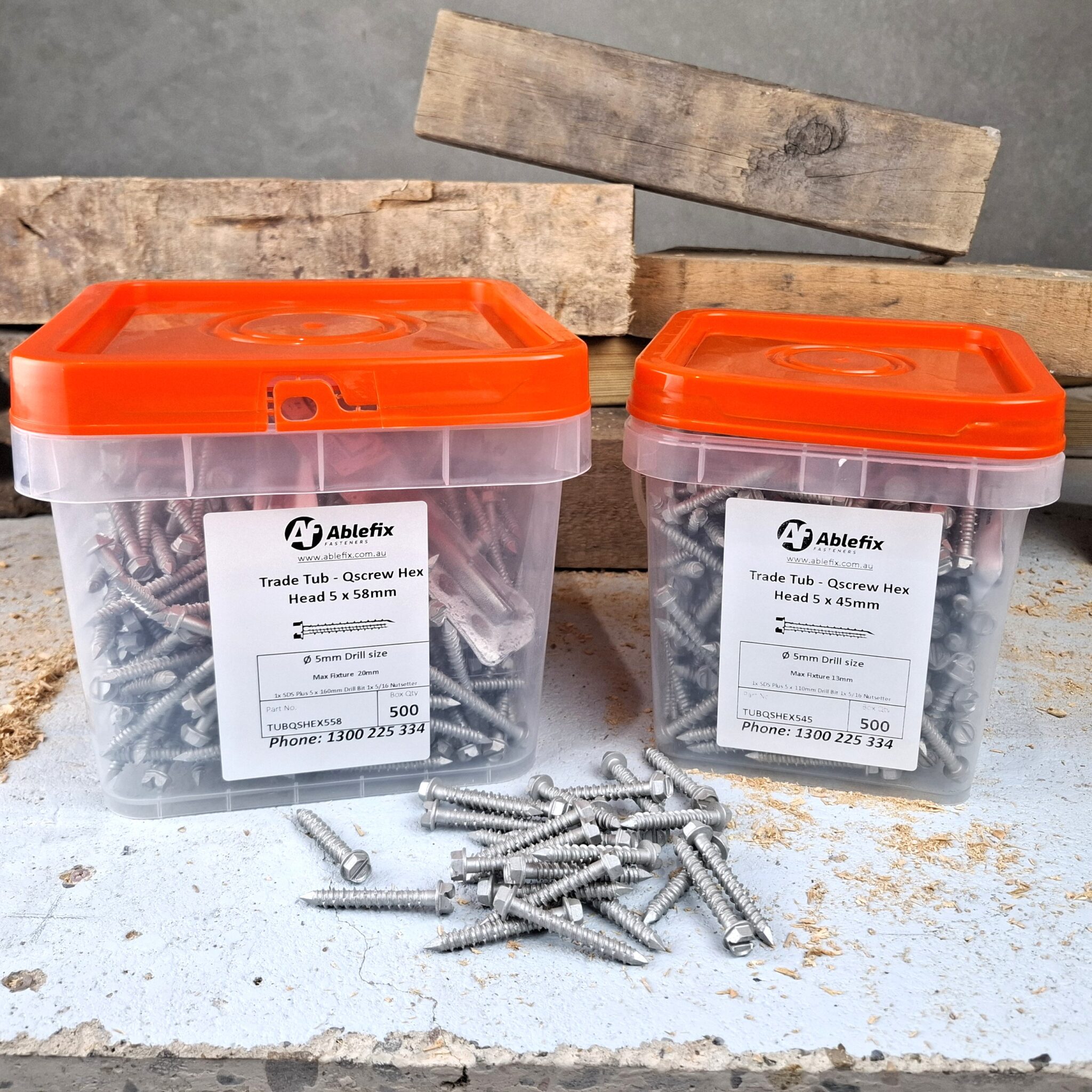
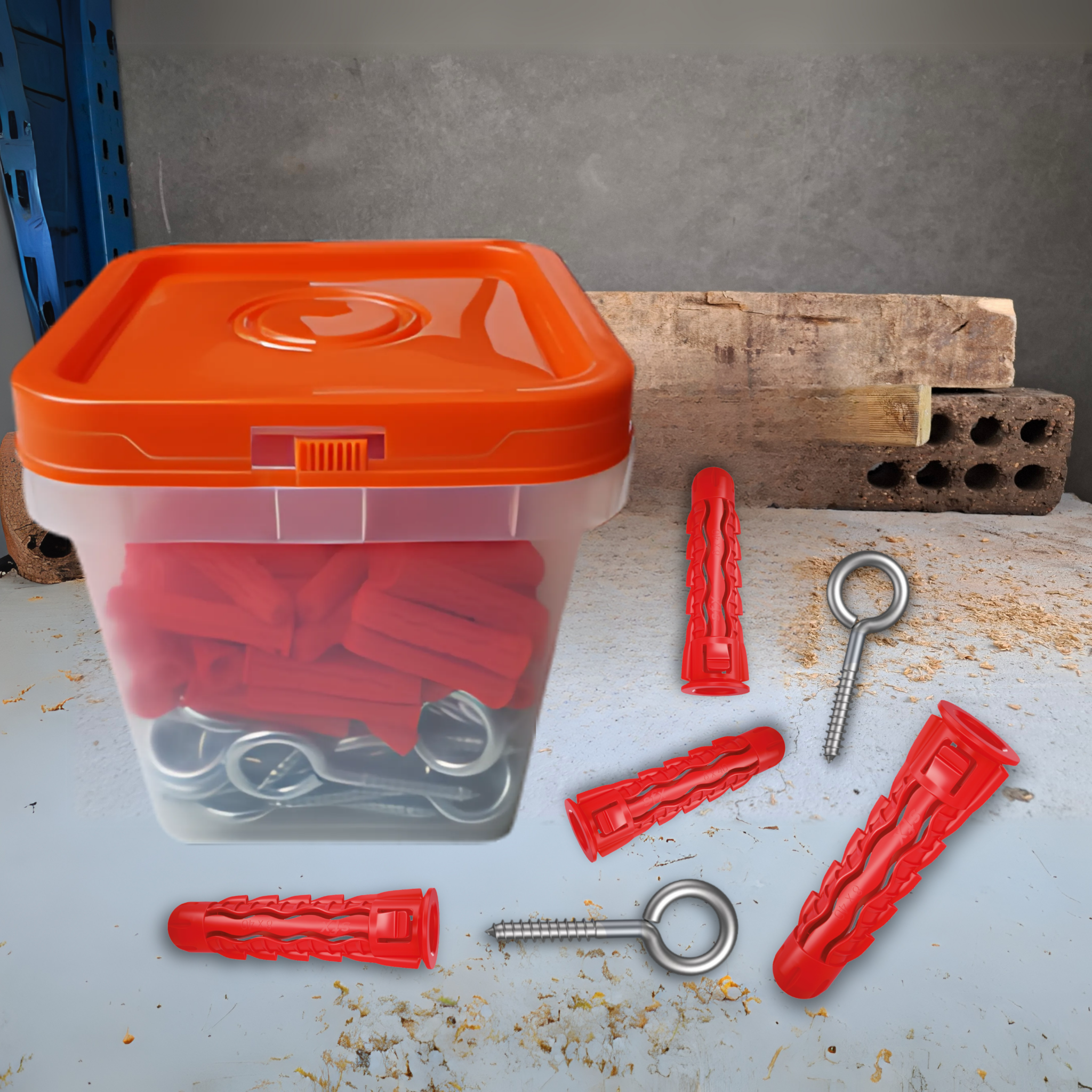
Recommended Products:
Ideal for brick, including hollow brick or hollow concrete block.
Suitable for brick, with a
unique double thread for a
solid grip.
Suitable for hollow & solidbrick, concrete, concreteblocks & even plasterboard.
Conclusion:
Never Fix to Mortar: No serious load-rated anchors are recommended for mortar.
Use Correct Fixings for Brick: Prevents issues and ensures strong, reliable installations.
Final Note – Cost vs. Risk:
Using the right anchors is cost-effective compared to the risk of failure. Incorrect use can lead to liability issues for the installer.
Tell us about your challenges and solutions you have found to your unique projects, this is how we develop better products and more accurate real-life advice to our customers!
huge range
1000+ different products

Join our mailing list to stay up to date with all the latest specials and news.